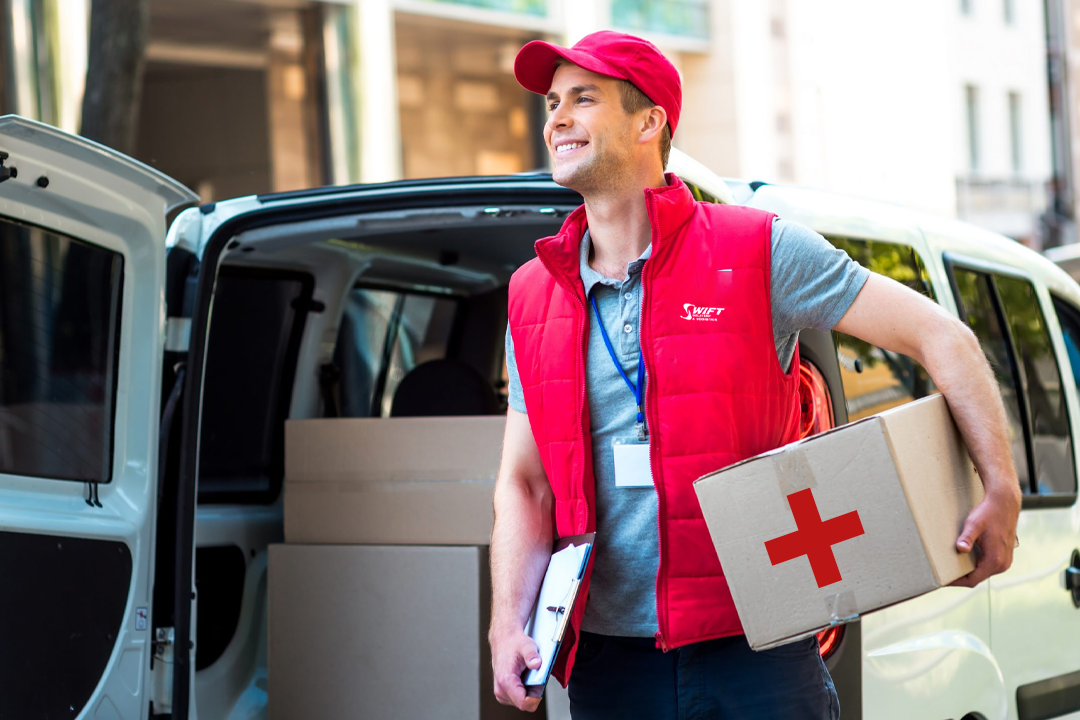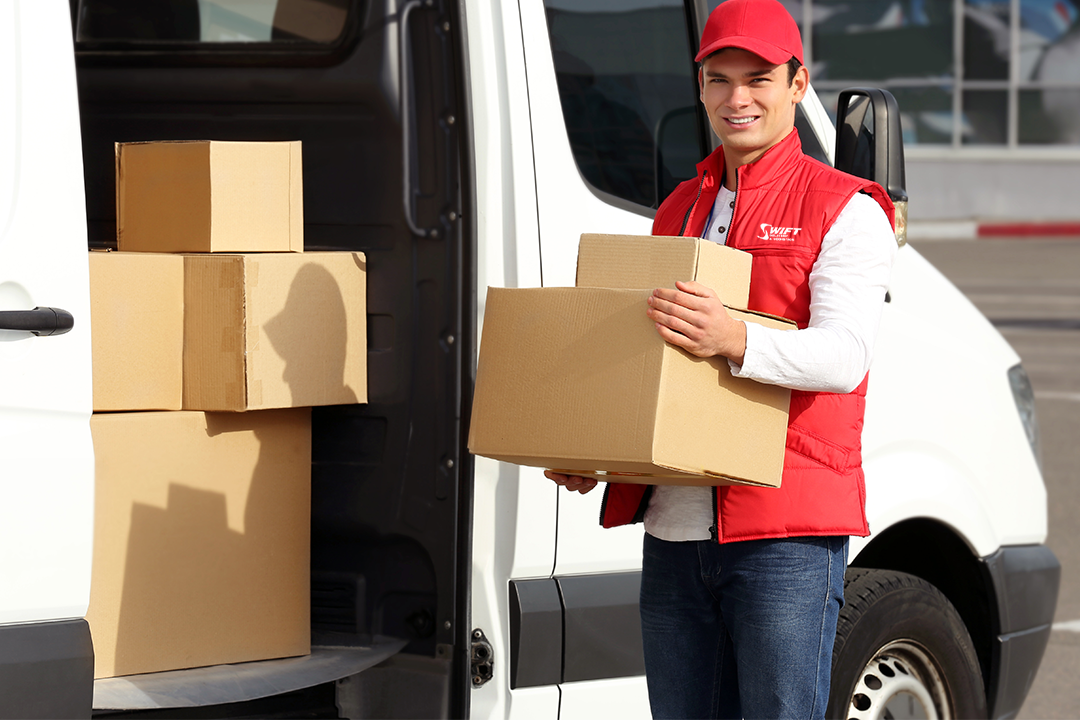
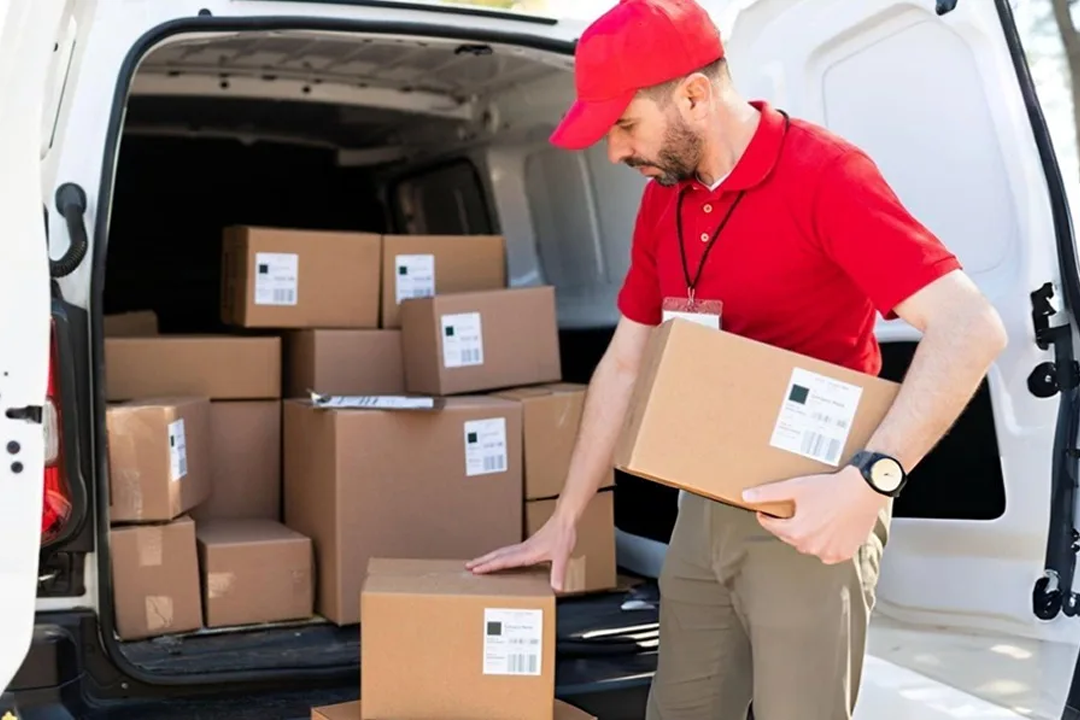
In the coming year, customer satisfaction will be less about your product and more about the delivery experience they receive. People won’t distinguish your brand from a late driver, a beat-up box, and a missed delivery. That’s why last-mile delivery will become a core customer experience metric, and companies will rely on the last -mile delivery service to deliver on their brand promise.
Last-mile delivery isn’t just the final step of the shipping process anymore. To increase customer satisfaction, modern delivery services incorporate a multitude of approaches into this critical phase.
1. They deliver certainty, not just speed
Faster isn’t enough; accuracy matters. Providing a two-hour delivery window of certainty outweighs the value of an all-day delivery window, which could signal delayed delivery. Last-mile delivery operators who lead in the market build their routes around time windows.
In addition to time windows, access requirements, and real-time traffic data, optimal routes can also be created. And when a delay occurs, dynamic routing can resequence stops to achieve an on-time finish for the rest of the day.
2. They reduce failed deliveries and second attempts
There is no greater irritation to a customer than a failure to deliver an ordered good, especially if time-sensitive. Today’s consumer expects the first delivery attempt to succeed. To achieve strong last-mile delivery service performance, robust customer service captures all the details required to prevent ‘couldn’t access’ exceptions, such as gate codes, dock details, preferred entry points, elevator usage, and inside delivery requirements. By capturing these details before delivery, the potential for reschedules, refunds, and negative reviews is avoided.
3. They provide real visibility and proactive communication
In today’s market recipients expect to receive live updates for their packages similar to the tracking information available for ride-sharing services. However, with delivery tracking comes the expectation that the information will have real value to the recipient: accurate estimated time of arrival, proactive updates when there are changes to the shipment, and proof of delivery.
With these expectations, businesses will benefit from reduced recipient frustration in the face of unforeseen events rather than complaints about longer delivery times.
4. They are diligent about delivery particulars
Nothing disappoints customers more than receiving damaged goods. Damaged products lead to more returns, replacements, and customer service calls. Good last-mile delivery services limit how often packages are handled, use the right trucks, and follow simple rules for packing and placing items both in the truck and at the customer’s door.
For expensive items, options like white-glove or room-of-use delivery mean the product is brought directly to the customer’s chosen spot, reducing the risk of damage, theft, or being left outside.
5. They turn logistics into a competitive advantage
A strong last-mile performance means you get repeat customers. A good delivery experience helps to generate reviews, prevent chargebacks, reduce cart abandonment, and build trust in the shipping promises you make. With so many brands offering similar products, the delivery experience becomes the key differentiator.
In 2026, customer satisfaction will be heavily influenced by the last mile- where visibility, first-attempt success, condition on arrival, and predictable timing are paramount. Want delivery to be a strength instead of a risk? Check out Swift Delivery & Logistics’ pooled distribution and dedicated transportation options.